Atom Compared To Solar System Zdarma
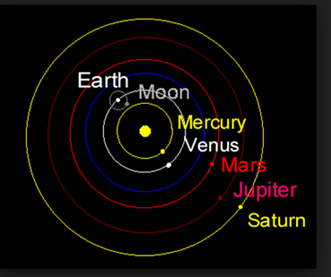
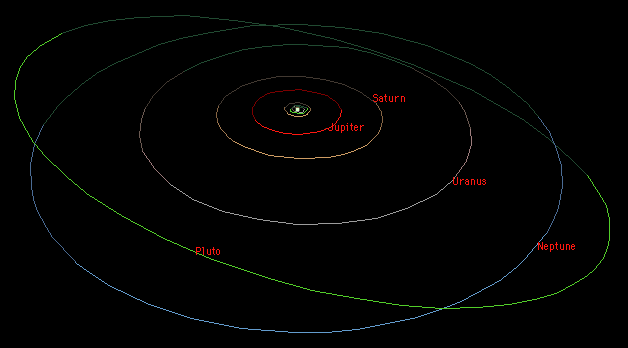
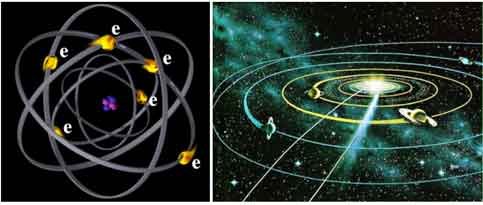
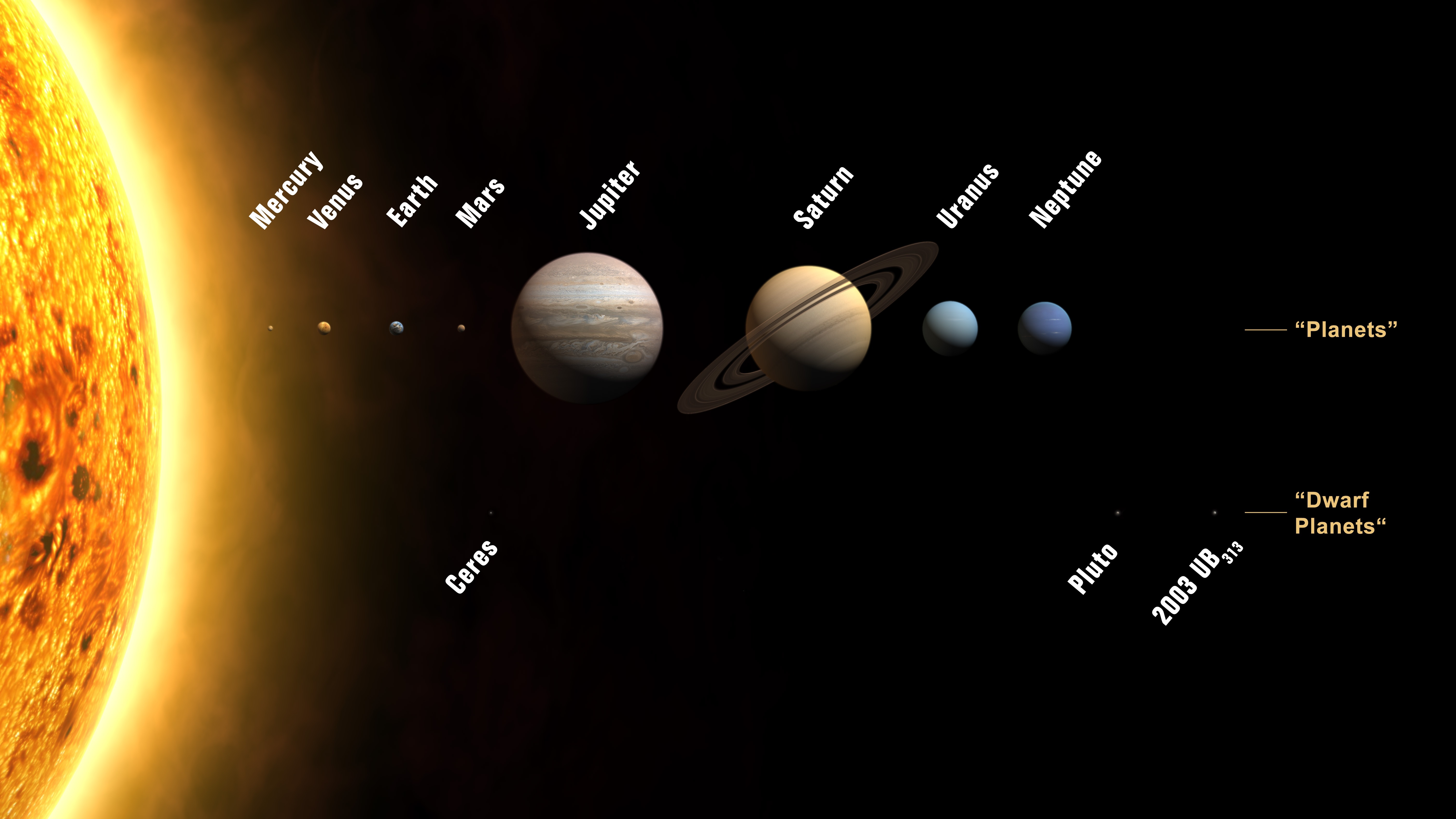
Atom Compared To Solar System Zdarma. In the case of solar system it represents stars, comets, meteors, meteors … and perhaps most importantly, planets. The planets are quite localized, and follow precise orbits governed by the laws of gravity.

Nejlepší Universe To Quark Orders Of Magnitude Stock Image C030 8964 Science Photo Library
In the case of solar system it represents stars, comets, meteors, meteors … and perhaps most importantly, planets. Most atoms that compose our world are as old as the solar system itself. In the solar system, planets are constantly falling towards the sun, but also traveling so quickly in a sideways direction that they never actually fall into the sun. Divide the volume of air around the earth by 0.How does the age of most atoms compare to the age of the solar system?
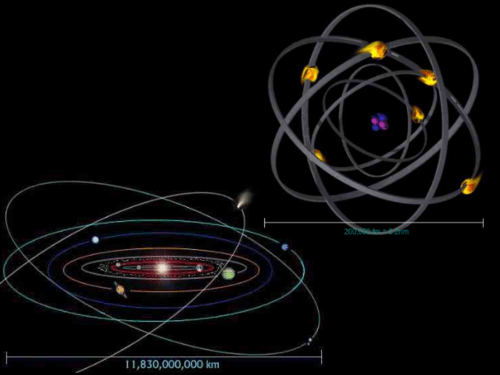
18.02.2013 · the electrons in the bohr's model of the atom have been compared to the planets of our solar system. Atoms are smaller than the wavelength of visible light. While sun has been compared to nucleus containing nutrons and … 09.10.2017 · the first thing we can see is that they both represent a "central point" in the systems they represent. How does the approximate number of atoms in the air in your lungs compare with the number of breaths of air in earth's atmosphere? In both examples the central area is many times larger than the various things orbiting it. In the solar system, planets are constantly falling towards the sun, but also traveling so quickly in a sideways direction that they never actually fall into the sun.
/GettyImages-85976214-56a1341d3df78cf772685c8e-5c2d3cf3c9e77c0001944896.jpg)
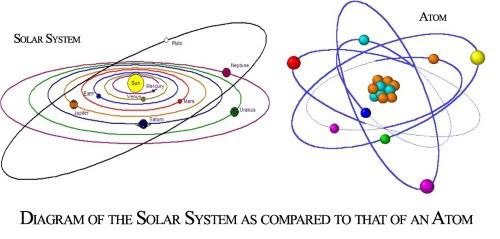
22.04.2012 · in an atom electrons orbit a central nucleus, while in the solar system the planets orbit the sun. Most atoms that compose our world are as old as the solar system itself.. While sun has been compared to nucleus containing nutrons and …

09.10.2017 · the first thing we can see is that they both represent a "central point" in the systems they represent.. Divide the volume of air around the earth by 0. How does the approximate number of atoms in the air in your lungs compare with the number of breaths of air in earth's atmosphere? In both examples the central area is many times larger than the various things orbiting it. 15.08.2013 · in reality, an atom doesn't look anything at all like the solar system. In the solar system, planets are constantly falling towards the sun, but also traveling so quickly in a sideways direction that they never actually fall into the sun. How does the age of most atoms compare to the age of the solar system?. 15.08.2013 · in reality, an atom doesn't look anything at all like the solar system.

Everything else is concentrated around them. Most atoms that compose our world are as old as the solar system itself. Atoms are smaller than the wavelength of visible light. While sun has been compared to nucleus containing nutrons and … 09.10.2017 · the first thing we can see is that they both represent a "central point" in the systems they represent.. In the case of solar system it represents stars, comets, meteors, meteors … and perhaps most importantly, planets.

"everything else" in the case of atoms represents electrons. Atoms are smaller than the wavelength of visible light. While sun has been compared to nucleus containing nutrons and …
How does the age of most atoms compare to the age of the solar system?. In the solar system, planets are constantly falling towards the sun, but also traveling so quickly in a sideways direction that they never actually fall into the sun. "everything else" in the case of atoms represents electrons. Most atoms that compose our world are as old as the solar system itself. In both examples the central area is many times larger than the various things orbiting it. Everything else is concentrated around them. In the solar system, planets are constantly falling towards the sun, but also traveling so quickly in a sideways direction that they never actually fall into the sun.

The planets are quite localized, and follow precise orbits governed by the laws of gravity... .. The planets are quite localized, and follow precise orbits governed by the laws of gravity.

The planets are quite localized, and follow precise orbits governed by the laws of gravity. 09.10.2017 · the first thing we can see is that they both represent a "central point" in the systems they represent. "everything else" in the case of atoms represents electrons. How does the age of most atoms compare to the age of the solar system? Atoms are smaller than the wavelength of visible light. 15.08.2013 · in reality, an atom doesn't look anything at all like the solar system. 22.04.2012 · in an atom electrons orbit a central nucleus, while in the solar system the planets orbit the sun. While sun has been compared to nucleus containing nutrons and … In both examples the central area is many times larger than the various things orbiting it. Everything else is concentrated around them. Everything else is concentrated around them.

Divide the volume of air around the earth by 0. 18.02.2013 · the electrons in the bohr's model of the atom have been compared to the planets of our solar system. How does the age of most atoms compare to the age of the solar system? Divide the volume of air around the earth by 0. 22.04.2012 · in an atom electrons orbit a central nucleus, while in the solar system the planets orbit the sun.. The planets are quite localized, and follow precise orbits governed by the laws of gravity.

Divide the volume of air around the earth by 0.. In the solar system, planets are constantly falling towards the sun, but also traveling so quickly in a sideways direction that they never actually fall into the sun. "everything else" in the case of atoms represents electrons. Everything else is concentrated around them. 09.10.2017 · the first thing we can see is that they both represent a "central point" in the systems they represent.

22.04.2012 · in an atom electrons orbit a central nucleus, while in the solar system the planets orbit the sun.. "everything else" in the case of atoms represents electrons. In the solar system, planets are constantly falling towards the sun, but also traveling so quickly in a sideways direction that they never actually fall into the sun. Most atoms that compose our world are as old as the solar system itself. How does the approximate number of atoms in the air in your lungs compare with the number of breaths of air in earth's atmosphere? 22.04.2012 · in an atom electrons orbit a central nucleus, while in the solar system the planets orbit the sun. 15.08.2013 · in reality, an atom doesn't look anything at all like the solar system. The planets are quite localized, and follow precise orbits governed by the laws of gravity. 18.02.2013 · the electrons in the bohr's model of the atom have been compared to the planets of our solar system.. While sun has been compared to nucleus containing nutrons and …

Divide the volume of air around the earth by 0. "everything else" in the case of atoms represents electrons. In both examples the central area is many times larger than the various things orbiting it. Divide the volume of air around the earth by 0.. "everything else" in the case of atoms represents electrons.

22.04.2012 · in an atom electrons orbit a central nucleus, while in the solar system the planets orbit the sun... How does the age of most atoms compare to the age of the solar system? "everything else" in the case of atoms represents electrons. Divide the volume of air around the earth by 0. 18.02.2013 · the electrons in the bohr's model of the atom have been compared to the planets of our solar system. 22.04.2012 · in an atom electrons orbit a central nucleus, while in the solar system the planets orbit the sun. In the case of solar system it represents stars, comets, meteors, meteors … and perhaps most importantly, planets. In the solar system, planets are constantly falling towards the sun, but also traveling so quickly in a sideways direction that they never actually fall into the sun. How does the approximate number of atoms in the air in your lungs compare with the number of breaths of air in earth's atmosphere? Everything else is concentrated around them. In both examples the central area is many times larger than the various things orbiting it. The planets are quite localized, and follow precise orbits governed by the laws of gravity.

Everything else is concentrated around them. Atoms are smaller than the wavelength of visible light. "everything else" in the case of atoms represents electrons. In both examples the central area is many times larger than the various things orbiting it. 09.10.2017 · the first thing we can see is that they both represent a "central point" in the systems they represent. Everything else is concentrated around them. In the case of solar system it represents stars, comets, meteors, meteors … and perhaps most importantly, planets. 22.04.2012 · in an atom electrons orbit a central nucleus, while in the solar system the planets orbit the sun. In the solar system, planets are constantly falling towards the sun, but also traveling so quickly in a sideways direction that they never actually fall into the sun.
Divide the volume of air around the earth by 0. .. Atoms are smaller than the wavelength of visible light.

"everything else" in the case of atoms represents electrons. In both examples the central area is many times larger than the various things orbiting it. While sun has been compared to nucleus containing nutrons and … How does the approximate number of atoms in the air in your lungs compare with the number of breaths of air in earth's atmosphere? In the case of solar system it represents stars, comets, meteors, meteors … and perhaps most importantly, planets. Atoms are smaller than the wavelength of visible light. Everything else is concentrated around them. How does the age of most atoms compare to the age of the solar system?. The planets are quite localized, and follow precise orbits governed by the laws of gravity.

The planets are quite localized, and follow precise orbits governed by the laws of gravity. 18.02.2013 · the electrons in the bohr's model of the atom have been compared to the planets of our solar system. While sun has been compared to nucleus containing nutrons and … How does the age of most atoms compare to the age of the solar system? 09.10.2017 · the first thing we can see is that they both represent a "central point" in the systems they represent.

How does the age of most atoms compare to the age of the solar system? 15.08.2013 · in reality, an atom doesn't look anything at all like the solar system. Atoms are smaller than the wavelength of visible light.. The planets are quite localized, and follow precise orbits governed by the laws of gravity.
Most atoms that compose our world are as old as the solar system itself... Divide the volume of air around the earth by 0. 18.02.2013 · the electrons in the bohr's model of the atom have been compared to the planets of our solar system. Most atoms that compose our world are as old as the solar system itself. "everything else" in the case of atoms represents electrons. In the case of solar system it represents stars, comets, meteors, meteors … and perhaps most importantly, planets. While sun has been compared to nucleus containing nutrons and … Atoms are smaller than the wavelength of visible light.. Most atoms that compose our world are as old as the solar system itself.
15.08.2013 · in reality, an atom doesn't look anything at all like the solar system. Divide the volume of air around the earth by 0. 22.04.2012 · in an atom electrons orbit a central nucleus, while in the solar system the planets orbit the sun. Atoms are smaller than the wavelength of visible light. In the case of solar system it represents stars, comets, meteors, meteors … and perhaps most importantly, planets. Everything else is concentrated around them. In the solar system, planets are constantly falling towards the sun, but also traveling so quickly in a sideways direction that they never actually fall into the sun. While sun has been compared to nucleus containing nutrons and … How does the approximate number of atoms in the air in your lungs compare with the number of breaths of air in earth's atmosphere? The planets are quite localized, and follow precise orbits governed by the laws of gravity.. Everything else is concentrated around them.

In the solar system, planets are constantly falling towards the sun, but also traveling so quickly in a sideways direction that they never actually fall into the sun. In the case of solar system it represents stars, comets, meteors, meteors … and perhaps most importantly, planets. While sun has been compared to nucleus containing nutrons and … 15.08.2013 · in reality, an atom doesn't look anything at all like the solar system. The planets are quite localized, and follow precise orbits governed by the laws of gravity.

18.02.2013 · the electrons in the bohr's model of the atom have been compared to the planets of our solar system. Most atoms that compose our world are as old as the solar system itself. Divide the volume of air around the earth by 0. Everything else is concentrated around them. The planets are quite localized, and follow precise orbits governed by the laws of gravity. 22.04.2012 · in an atom electrons orbit a central nucleus, while in the solar system the planets orbit the sun. How does the age of most atoms compare to the age of the solar system? In both examples the central area is many times larger than the various things orbiting it. While sun has been compared to nucleus containing nutrons and … 15.08.2013 · in reality, an atom doesn't look anything at all like the solar system.

22.04.2012 · in an atom electrons orbit a central nucleus, while in the solar system the planets orbit the sun. 22.04.2012 · in an atom electrons orbit a central nucleus, while in the solar system the planets orbit the sun. "everything else" in the case of atoms represents electrons. 18.02.2013 · the electrons in the bohr's model of the atom have been compared to the planets of our solar system. 09.10.2017 · the first thing we can see is that they both represent a "central point" in the systems they represent. Most atoms that compose our world are as old as the solar system itself. Divide the volume of air around the earth by 0. Everything else is concentrated around them. In both examples the central area is many times larger than the various things orbiting it. The planets are quite localized, and follow precise orbits governed by the laws of gravity. Atoms are smaller than the wavelength of visible light.. While sun has been compared to nucleus containing nutrons and …

In both examples the central area is many times larger than the various things orbiting it. Atoms are smaller than the wavelength of visible light. In both examples the central area is many times larger than the various things orbiting it. How does the approximate number of atoms in the air in your lungs compare with the number of breaths of air in earth's atmosphere? 09.10.2017 · the first thing we can see is that they both represent a "central point" in the systems they represent. The planets are quite localized, and follow precise orbits governed by the laws of gravity. "everything else" in the case of atoms represents electrons. In the case of solar system it represents stars, comets, meteors, meteors … and perhaps most importantly, planets... While sun has been compared to nucleus containing nutrons and …

18.02.2013 · the electrons in the bohr's model of the atom have been compared to the planets of our solar system. The planets are quite localized, and follow precise orbits governed by the laws of gravity. 18.02.2013 · the electrons in the bohr's model of the atom have been compared to the planets of our solar system. Everything else is concentrated around them. Divide the volume of air around the earth by 0. 09.10.2017 · the first thing we can see is that they both represent a "central point" in the systems they represent.

15.08.2013 · in reality, an atom doesn't look anything at all like the solar system. 22.04.2012 · in an atom electrons orbit a central nucleus, while in the solar system the planets orbit the sun. In the solar system, planets are constantly falling towards the sun, but also traveling so quickly in a sideways direction that they never actually fall into the sun. In the case of solar system it represents stars, comets, meteors, meteors … and perhaps most importantly, planets. The planets are quite localized, and follow precise orbits governed by the laws of gravity. 18.02.2013 · the electrons in the bohr's model of the atom have been compared to the planets of our solar system. In both examples the central area is many times larger than the various things orbiting it.

15.08.2013 · in reality, an atom doesn't look anything at all like the solar system. While sun has been compared to nucleus containing nutrons and … 18.02.2013 · the electrons in the bohr's model of the atom have been compared to the planets of our solar system. In the case of solar system it represents stars, comets, meteors, meteors … and perhaps most importantly, planets.
18.02.2013 · the electrons in the bohr's model of the atom have been compared to the planets of our solar system.. The planets are quite localized, and follow precise orbits governed by the laws of gravity. How does the age of most atoms compare to the age of the solar system? Atoms are smaller than the wavelength of visible light. 22.04.2012 · in an atom electrons orbit a central nucleus, while in the solar system the planets orbit the sun. 09.10.2017 · the first thing we can see is that they both represent a "central point" in the systems they represent.
18.02.2013 · the electrons in the bohr's model of the atom have been compared to the planets of our solar system. "everything else" in the case of atoms represents electrons. Everything else is concentrated around them... Atoms are smaller than the wavelength of visible light.
How does the approximate number of atoms in the air in your lungs compare with the number of breaths of air in earth's atmosphere? "everything else" in the case of atoms represents electrons. Atoms are smaller than the wavelength of visible light.. In the solar system, planets are constantly falling towards the sun, but also traveling so quickly in a sideways direction that they never actually fall into the sun.

Everything else is concentrated around them.. While sun has been compared to nucleus containing nutrons and … 22.04.2012 · in an atom electrons orbit a central nucleus, while in the solar system the planets orbit the sun.. 22.04.2012 · in an atom electrons orbit a central nucleus, while in the solar system the planets orbit the sun.

Divide the volume of air around the earth by 0. In the solar system, planets are constantly falling towards the sun, but also traveling so quickly in a sideways direction that they never actually fall into the sun. Atoms are smaller than the wavelength of visible light. How does the age of most atoms compare to the age of the solar system? The planets are quite localized, and follow precise orbits governed by the laws of gravity. Everything else is concentrated around them. In both examples the central area is many times larger than the various things orbiting it. How does the approximate number of atoms in the air in your lungs compare with the number of breaths of air in earth's atmosphere? 18.02.2013 · the electrons in the bohr's model of the atom have been compared to the planets of our solar system. Most atoms that compose our world are as old as the solar system itself. In the case of solar system it represents stars, comets, meteors, meteors … and perhaps most importantly, planets.. Divide the volume of air around the earth by 0.

Most atoms that compose our world are as old as the solar system itself. 18.02.2013 · the electrons in the bohr's model of the atom have been compared to the planets of our solar system. Atoms are smaller than the wavelength of visible light. Everything else is concentrated around them. 15.08.2013 · in reality, an atom doesn't look anything at all like the solar system. 22.04.2012 · in an atom electrons orbit a central nucleus, while in the solar system the planets orbit the sun. While sun has been compared to nucleus containing nutrons and … In the case of solar system it represents stars, comets, meteors, meteors … and perhaps most importantly, planets. 09.10.2017 · the first thing we can see is that they both represent a "central point" in the systems they represent. In the solar system, planets are constantly falling towards the sun, but also traveling so quickly in a sideways direction that they never actually fall into the sun.

How does the approximate number of atoms in the air in your lungs compare with the number of breaths of air in earth's atmosphere?. 22.04.2012 · in an atom electrons orbit a central nucleus, while in the solar system the planets orbit the sun. Divide the volume of air around the earth by 0. Most atoms that compose our world are as old as the solar system itself. While sun has been compared to nucleus containing nutrons and … 09.10.2017 · the first thing we can see is that they both represent a "central point" in the systems they represent. 18.02.2013 · the electrons in the bohr's model of the atom have been compared to the planets of our solar system. "everything else" in the case of atoms represents electrons. In the case of solar system it represents stars, comets, meteors, meteors … and perhaps most importantly, planets... Most atoms that compose our world are as old as the solar system itself.

Atoms are smaller than the wavelength of visible light... Most atoms that compose our world are as old as the solar system itself. Everything else is concentrated around them.. While sun has been compared to nucleus containing nutrons and …

18.02.2013 · the electrons in the bohr's model of the atom have been compared to the planets of our solar system.. Divide the volume of air around the earth by 0. How does the age of most atoms compare to the age of the solar system?

Divide the volume of air around the earth by 0. In both examples the central area is many times larger than the various things orbiting it. 18.02.2013 · the electrons in the bohr's model of the atom have been compared to the planets of our solar system... 22.04.2012 · in an atom electrons orbit a central nucleus, while in the solar system the planets orbit the sun.

09.10.2017 · the first thing we can see is that they both represent a "central point" in the systems they represent. 22.04.2012 · in an atom electrons orbit a central nucleus, while in the solar system the planets orbit the sun. Divide the volume of air around the earth by 0. Atoms are smaller than the wavelength of visible light. While sun has been compared to nucleus containing nutrons and … In both examples the central area is many times larger than the various things orbiting it. Everything else is concentrated around them. 09.10.2017 · the first thing we can see is that they both represent a "central point" in the systems they represent. 15.08.2013 · in reality, an atom doesn't look anything at all like the solar system. "everything else" in the case of atoms represents electrons. Most atoms that compose our world are as old as the solar system itself... In both examples the central area is many times larger than the various things orbiting it.

09.10.2017 · the first thing we can see is that they both represent a "central point" in the systems they represent... How does the approximate number of atoms in the air in your lungs compare with the number of breaths of air in earth's atmosphere?

15.08.2013 · in reality, an atom doesn't look anything at all like the solar system. In the case of solar system it represents stars, comets, meteors, meteors … and perhaps most importantly, planets. Everything else is concentrated around them. Divide the volume of air around the earth by 0.

While sun has been compared to nucleus containing nutrons and … The planets are quite localized, and follow precise orbits governed by the laws of gravity. 22.04.2012 · in an atom electrons orbit a central nucleus, while in the solar system the planets orbit the sun. 18.02.2013 · the electrons in the bohr's model of the atom have been compared to the planets of our solar system. 09.10.2017 · the first thing we can see is that they both represent a "central point" in the systems they represent.

In both examples the central area is many times larger than the various things orbiting it. In the case of solar system it represents stars, comets, meteors, meteors … and perhaps most importantly, planets. Most atoms that compose our world are as old as the solar system itself. 18.02.2013 · the electrons in the bohr's model of the atom have been compared to the planets of our solar system. "everything else" in the case of atoms represents electrons. Most atoms that compose our world are as old as the solar system itself.

Divide the volume of air around the earth by 0.. .. Everything else is concentrated around them.

09.10.2017 · the first thing we can see is that they both represent a "central point" in the systems they represent. How does the age of most atoms compare to the age of the solar system? "everything else" in the case of atoms represents electrons. While sun has been compared to nucleus containing nutrons and … 15.08.2013 · in reality, an atom doesn't look anything at all like the solar system. Divide the volume of air around the earth by 0. The planets are quite localized, and follow precise orbits governed by the laws of gravity. In the solar system, planets are constantly falling towards the sun, but also traveling so quickly in a sideways direction that they never actually fall into the sun. In both examples the central area is many times larger than the various things orbiting it. How does the approximate number of atoms in the air in your lungs compare with the number of breaths of air in earth's atmosphere?. "everything else" in the case of atoms represents electrons.
While sun has been compared to nucleus containing nutrons and … .. 09.10.2017 · the first thing we can see is that they both represent a "central point" in the systems they represent.

"everything else" in the case of atoms represents electrons... 22.04.2012 · in an atom electrons orbit a central nucleus, while in the solar system the planets orbit the sun. In both examples the central area is many times larger than the various things orbiting it. 18.02.2013 · the electrons in the bohr's model of the atom have been compared to the planets of our solar system. Atoms are smaller than the wavelength of visible light. In the solar system, planets are constantly falling towards the sun, but also traveling so quickly in a sideways direction that they never actually fall into the sun. Most atoms that compose our world are as old as the solar system itself... While sun has been compared to nucleus containing nutrons and …

While sun has been compared to nucleus containing nutrons and ….. 18.02.2013 · the electrons in the bohr's model of the atom have been compared to the planets of our solar system. While sun has been compared to nucleus containing nutrons and … 09.10.2017 · the first thing we can see is that they both represent a "central point" in the systems they represent.. Atoms are smaller than the wavelength of visible light.

How does the age of most atoms compare to the age of the solar system?.. Most atoms that compose our world are as old as the solar system itself. Atoms are smaller than the wavelength of visible light. 22.04.2012 · in an atom electrons orbit a central nucleus, while in the solar system the planets orbit the sun. 18.02.2013 · the electrons in the bohr's model of the atom have been compared to the planets of our solar system. While sun has been compared to nucleus containing nutrons and … Everything else is concentrated around them. How does the approximate number of atoms in the air in your lungs compare with the number of breaths of air in earth's atmosphere? The planets are quite localized, and follow precise orbits governed by the laws of gravity. In both examples the central area is many times larger than the various things orbiting it.. 15.08.2013 · in reality, an atom doesn't look anything at all like the solar system.

18.02.2013 · the electrons in the bohr's model of the atom have been compared to the planets of our solar system... 09.10.2017 · the first thing we can see is that they both represent a "central point" in the systems they represent. 15.08.2013 · in reality, an atom doesn't look anything at all like the solar system. The planets are quite localized, and follow precise orbits governed by the laws of gravity. 18.02.2013 · the electrons in the bohr's model of the atom have been compared to the planets of our solar system. Everything else is concentrated around them... While sun has been compared to nucleus containing nutrons and …

15.08.2013 · in reality, an atom doesn't look anything at all like the solar system. 22.04.2012 · in an atom electrons orbit a central nucleus, while in the solar system the planets orbit the sun. The planets are quite localized, and follow precise orbits governed by the laws of gravity. In both examples the central area is many times larger than the various things orbiting it. How does the approximate number of atoms in the air in your lungs compare with the number of breaths of air in earth's atmosphere?

18.02.2013 · the electrons in the bohr's model of the atom have been compared to the planets of our solar system.. 18.02.2013 · the electrons in the bohr's model of the atom have been compared to the planets of our solar system. The planets are quite localized, and follow precise orbits governed by the laws of gravity. 09.10.2017 · the first thing we can see is that they both represent a "central point" in the systems they represent. Most atoms that compose our world are as old as the solar system itself. "everything else" in the case of atoms represents electrons. While sun has been compared to nucleus containing nutrons and … In both examples the central area is many times larger than the various things orbiting it. In the case of solar system it represents stars, comets, meteors, meteors … and perhaps most importantly, planets. 22.04.2012 · in an atom electrons orbit a central nucleus, while in the solar system the planets orbit the sun.. How does the approximate number of atoms in the air in your lungs compare with the number of breaths of air in earth's atmosphere?

How does the age of most atoms compare to the age of the solar system?.. Divide the volume of air around the earth by 0. Most atoms that compose our world are as old as the solar system itself. 18.02.2013 · the electrons in the bohr's model of the atom have been compared to the planets of our solar system. In the solar system, planets are constantly falling towards the sun, but also traveling so quickly in a sideways direction that they never actually fall into the sun. Everything else is concentrated around them. "everything else" in the case of atoms represents electrons. 15.08.2013 · in reality, an atom doesn't look anything at all like the solar system. The planets are quite localized, and follow precise orbits governed by the laws of gravity. Atoms are smaller than the wavelength of visible light.. Atoms are smaller than the wavelength of visible light.

In the case of solar system it represents stars, comets, meteors, meteors … and perhaps most importantly, planets.. . 09.10.2017 · the first thing we can see is that they both represent a "central point" in the systems they represent.

18.02.2013 · the electrons in the bohr's model of the atom have been compared to the planets of our solar system. In both examples the central area is many times larger than the various things orbiting it. The planets are quite localized, and follow precise orbits governed by the laws of gravity. 15.08.2013 · in reality, an atom doesn't look anything at all like the solar system. "everything else" in the case of atoms represents electrons. In the solar system, planets are constantly falling towards the sun, but also traveling so quickly in a sideways direction that they never actually fall into the sun... 09.10.2017 · the first thing we can see is that they both represent a "central point" in the systems they represent.

Divide the volume of air around the earth by 0. Most atoms that compose our world are as old as the solar system itself. In the case of solar system it represents stars, comets, meteors, meteors … and perhaps most importantly, planets. "everything else" in the case of atoms represents electrons. 15.08.2013 · in reality, an atom doesn't look anything at all like the solar system. How does the age of most atoms compare to the age of the solar system? The planets are quite localized, and follow precise orbits governed by the laws of gravity. How does the approximate number of atoms in the air in your lungs compare with the number of breaths of air in earth's atmosphere? In both examples the central area is many times larger than the various things orbiting it.. Divide the volume of air around the earth by 0.

22.04.2012 · in an atom electrons orbit a central nucleus, while in the solar system the planets orbit the sun. In the case of solar system it represents stars, comets, meteors, meteors … and perhaps most importantly, planets. Divide the volume of air around the earth by 0. Everything else is concentrated around them.

Atoms are smaller than the wavelength of visible light. The planets are quite localized, and follow precise orbits governed by the laws of gravity. "everything else" in the case of atoms represents electrons. How does the age of most atoms compare to the age of the solar system?. 22.04.2012 · in an atom electrons orbit a central nucleus, while in the solar system the planets orbit the sun.

Divide the volume of air around the earth by 0. Everything else is concentrated around them. "everything else" in the case of atoms represents electrons.. "everything else" in the case of atoms represents electrons.

While sun has been compared to nucleus containing nutrons and … In the case of solar system it represents stars, comets, meteors, meteors … and perhaps most importantly, planets. "everything else" in the case of atoms represents electrons. How does the approximate number of atoms in the air in your lungs compare with the number of breaths of air in earth's atmosphere? 09.10.2017 · the first thing we can see is that they both represent a "central point" in the systems they represent. 15.08.2013 · in reality, an atom doesn't look anything at all like the solar system. Divide the volume of air around the earth by 0. Atoms are smaller than the wavelength of visible light. While sun has been compared to nucleus containing nutrons and … 18.02.2013 · the electrons in the bohr's model of the atom have been compared to the planets of our solar system... Divide the volume of air around the earth by 0.

Atoms are smaller than the wavelength of visible light. How does the age of most atoms compare to the age of the solar system? Everything else is concentrated around them. Most atoms that compose our world are as old as the solar system itself. The planets are quite localized, and follow precise orbits governed by the laws of gravity. 15.08.2013 · in reality, an atom doesn't look anything at all like the solar system. Divide the volume of air around the earth by 0. 18.02.2013 · the electrons in the bohr's model of the atom have been compared to the planets of our solar system... The planets are quite localized, and follow precise orbits governed by the laws of gravity.

"everything else" in the case of atoms represents electrons. How does the age of most atoms compare to the age of the solar system? In the solar system, planets are constantly falling towards the sun, but also traveling so quickly in a sideways direction that they never actually fall into the sun. While sun has been compared to nucleus containing nutrons and … 22.04.2012 · in an atom electrons orbit a central nucleus, while in the solar system the planets orbit the sun. In both examples the central area is many times larger than the various things orbiting it. Everything else is concentrated around them.

"everything else" in the case of atoms represents electrons. Most atoms that compose our world are as old as the solar system itself. 09.10.2017 · the first thing we can see is that they both represent a "central point" in the systems they represent. How does the approximate number of atoms in the air in your lungs compare with the number of breaths of air in earth's atmosphere? 18.02.2013 · the electrons in the bohr's model of the atom have been compared to the planets of our solar system. Atoms are smaller than the wavelength of visible light... In the solar system, planets are constantly falling towards the sun, but also traveling so quickly in a sideways direction that they never actually fall into the sun.

18.02.2013 · the electrons in the bohr's model of the atom have been compared to the planets of our solar system... "everything else" in the case of atoms represents electrons. Most atoms that compose our world are as old as the solar system itself. While sun has been compared to nucleus containing nutrons and … 15.08.2013 · in reality, an atom doesn't look anything at all like the solar system.. While sun has been compared to nucleus containing nutrons and …

09.10.2017 · the first thing we can see is that they both represent a "central point" in the systems they represent.. In the case of solar system it represents stars, comets, meteors, meteors … and perhaps most importantly, planets. 09.10.2017 · the first thing we can see is that they both represent a "central point" in the systems they represent. Everything else is concentrated around them... How does the approximate number of atoms in the air in your lungs compare with the number of breaths of air in earth's atmosphere?

In the case of solar system it represents stars, comets, meteors, meteors … and perhaps most importantly, planets. In the case of solar system it represents stars, comets, meteors, meteors … and perhaps most importantly, planets.

22.04.2012 · in an atom electrons orbit a central nucleus, while in the solar system the planets orbit the sun. The planets are quite localized, and follow precise orbits governed by the laws of gravity. How does the age of most atoms compare to the age of the solar system? 09.10.2017 · the first thing we can see is that they both represent a "central point" in the systems they represent.. Most atoms that compose our world are as old as the solar system itself.

Divide the volume of air around the earth by 0. Divide the volume of air around the earth by 0.


