Ideje Atom Microscope Electron
Ideje Atom Microscope Electron. The contrast that usually we see in an image obtained from an electron microscope, is just the result of various interactions between the incident electrons and the material under investigation. We cannot only see actual atoms molecules, we can observe directly. And, it actually wasn't until the mid 1900's that the first electron microscope was invented. Stm can be used not only in a vacuum, but also in the air, water, and other gases and liquids. There are few barriers that limit the resolution of mic.

Nejlepší Atomic Resolution Holography Electron Microscope Driving Future Innovation In Science And Technology Hitachi Review
Electron microscopes offer us the capability to study things right down to the atomic level. Its resolution is about 0.1 nanometers, with a depth of about 0.01 nanometers. We cannot only see actual atoms molecules, we can observe directly.Some results of these experiments published in the journal science are displayed below.
Some results of these experiments published in the journal science are displayed below. Its resolution is about 0.1 nanometers, with a depth of about 0.01 nanometers. It is the only type of electron microscopy that can image individual atoms. Stm can be used not only in a vacuum, but also in the air, water, and other gases and liquids. The answer is partially yes. There are few barriers that limit the resolution of mic.

This is critically important in a lot of disciplines and research that deal with things at the microscopic level and beyond, as it allows us to further our understanding how the world works down to every atom... Its resolution is about 0.1 nanometers, with a depth of about 0.01 nanometers. There are few barriers that limit the resolution of mic. Stm can be used not only in a vacuum, but also in the air, water, and other gases and liquids. In other words, we can look at single atoms and atomic columns. This is critically important in a lot of disciplines and research that deal with things at the microscopic level and beyond, as it allows us to further our understanding how the world works down to every atom. We cannot only see actual atoms molecules, we can observe directly. The contrast that usually we see in an image obtained from an electron microscope, is just the result of various interactions between the incident electrons and the material under investigation. Atom microscopy, or the use of microscopes to see atoms, began with the creation of the first electron microscope, which was, in a way, a lot similar to a modern light microscope. Some results of these experiments published in the journal science are displayed below. The answer is partially yes.. Electron microscopes offer us the capability to study things right down to the atomic level.

The contrast that usually we see in an image obtained from an electron microscope, is just the result of various interactions between the incident electrons and the material under investigation. The contrast that usually we see in an image obtained from an electron microscope, is just the result of various interactions between the incident electrons and the material under investigation. The answer is partially yes. It is the only type of electron microscopy that can image individual atoms. Electron microscopes offer us the capability to study things right down to the atomic level. In other words, we can look at single atoms and atomic columns. Its resolution is about 0.1 nanometers, with a depth of about 0.01 nanometers. This is critically important in a lot of disciplines and research that deal with things at the microscopic level and beyond, as it allows us to further our understanding how the world works down to every atom. Stm can be used not only in a vacuum, but also in the air, water, and other gases and liquids. Some results of these experiments published in the journal science are displayed below.. The answer is partially yes.

Atom microscopy, or the use of microscopes to see atoms, began with the creation of the first electron microscope, which was, in a way, a lot similar to a modern light microscope. Atom microscopy, or the use of microscopes to see atoms, began with the creation of the first electron microscope, which was, in a way, a lot similar to a modern light microscope. There are few barriers that limit the resolution of mic.. Electron microscopes offer us the capability to study things right down to the atomic level.

Electron microscopes offer us the capability to study things right down to the atomic level.. We cannot only see actual atoms molecules, we can observe directly. Electron microscopes offer us the capability to study things right down to the atomic level. It is the only type of electron microscopy that can image individual atoms. There are few barriers that limit the resolution of mic. In other words, we can look at single atoms and atomic columns. Atom microscopy, or the use of microscopes to see atoms, began with the creation of the first electron microscope, which was, in a way, a lot similar to a modern light microscope.

This is critically important in a lot of disciplines and research that deal with things at the microscopic level and beyond, as it allows us to further our understanding how the world works down to every atom... Some results of these experiments published in the journal science are displayed below. We cannot only see actual atoms molecules, we can observe directly. Atom microscopy, or the use of microscopes to see atoms, began with the creation of the first electron microscope, which was, in a way, a lot similar to a modern light microscope. Its resolution is about 0.1 nanometers, with a depth of about 0.01 nanometers. In other words, we can look at single atoms and atomic columns. There are few barriers that limit the resolution of mic. In other words, we can look at single atoms and atomic columns.

In other words, we can look at single atoms and atomic columns. Its resolution is about 0.1 nanometers, with a depth of about 0.01 nanometers. Atom microscopy, or the use of microscopes to see atoms, began with the creation of the first electron microscope, which was, in a way, a lot similar to a modern light microscope. And, it actually wasn't until the mid 1900's that the first electron microscope was invented. Stm can be used not only in a vacuum, but also in the air, water, and other gases and liquids. We cannot only see actual atoms molecules, we can observe directly. The answer is partially yes. There are few barriers that limit the resolution of mic. Some results of these experiments published in the journal science are displayed below. The contrast that usually we see in an image obtained from an electron microscope, is just the result of various interactions between the incident electrons and the material under investigation. In other words, we can look at single atoms and atomic columns. In other words, we can look at single atoms and atomic columns.

This is critically important in a lot of disciplines and research that deal with things at the microscopic level and beyond, as it allows us to further our understanding how the world works down to every atom. The contrast that usually we see in an image obtained from an electron microscope, is just the result of various interactions between the incident electrons and the material under investigation. Electron microscopes offer us the capability to study things right down to the atomic level. This is critically important in a lot of disciplines and research that deal with things at the microscopic level and beyond, as it allows us to further our understanding how the world works down to every atom.. There are few barriers that limit the resolution of mic.

It is the only type of electron microscopy that can image individual atoms.. We cannot only see actual atoms molecules, we can observe directly. And, it actually wasn't until the mid 1900's that the first electron microscope was invented. Atom microscopy, or the use of microscopes to see atoms, began with the creation of the first electron microscope, which was, in a way, a lot similar to a modern light microscope. In other words, we can look at single atoms and atomic columns... It is the only type of electron microscopy that can image individual atoms.

Atom microscopy, or the use of microscopes to see atoms, began with the creation of the first electron microscope, which was, in a way, a lot similar to a modern light microscope. Its resolution is about 0.1 nanometers, with a depth of about 0.01 nanometers. It is the only type of electron microscopy that can image individual atoms. This is critically important in a lot of disciplines and research that deal with things at the microscopic level and beyond, as it allows us to further our understanding how the world works down to every atom. There are few barriers that limit the resolution of mic. And, it actually wasn't until the mid 1900's that the first electron microscope was invented. Electron microscopes offer us the capability to study things right down to the atomic level. Stm can be used not only in a vacuum, but also in the air, water, and other gases and liquids. The contrast that usually we see in an image obtained from an electron microscope, is just the result of various interactions between the incident electrons and the material under investigation. Some results of these experiments published in the journal science are displayed below. In other words, we can look at single atoms and atomic columns.. Its resolution is about 0.1 nanometers, with a depth of about 0.01 nanometers.
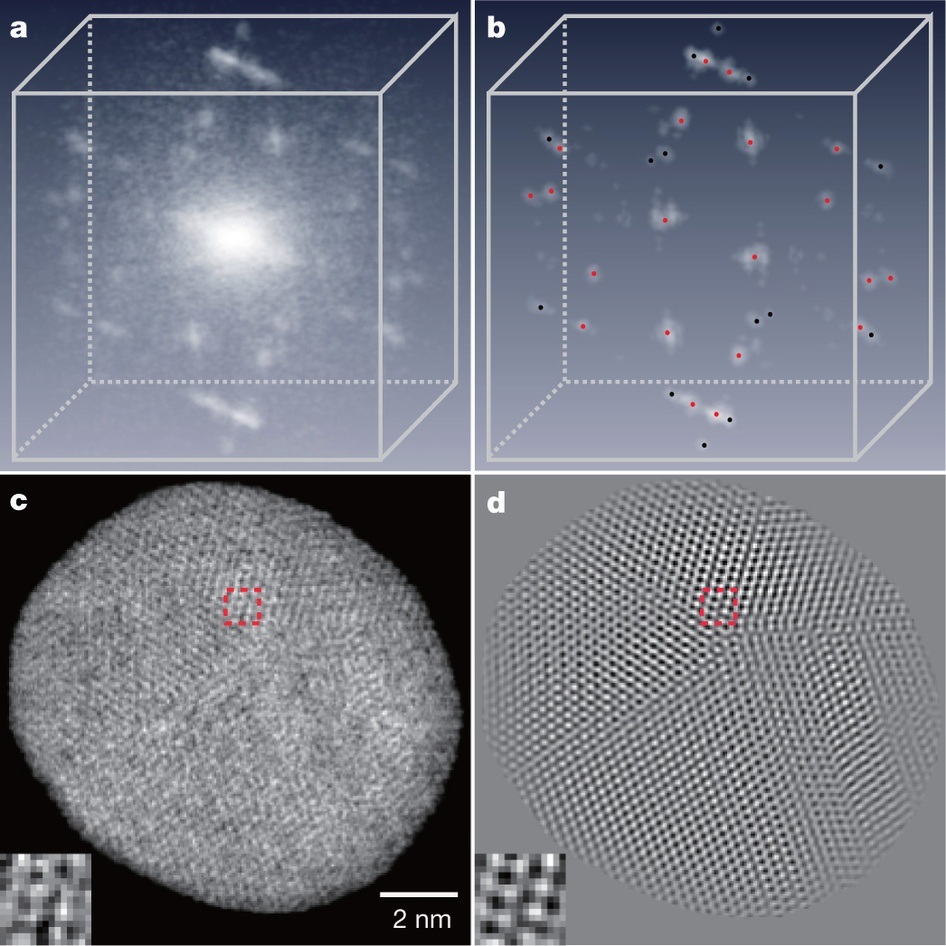
It is the only type of electron microscopy that can image individual atoms... Stm can be used not only in a vacuum, but also in the air, water, and other gases and liquids. In other words, we can look at single atoms and atomic columns. This is critically important in a lot of disciplines and research that deal with things at the microscopic level and beyond, as it allows us to further our understanding how the world works down to every atom.. The answer is partially yes.

The answer is partially yes. Electron microscopes offer us the capability to study things right down to the atomic level. The answer is partially yes. It is the only type of electron microscopy that can image individual atoms. Its resolution is about 0.1 nanometers, with a depth of about 0.01 nanometers. The contrast that usually we see in an image obtained from an electron microscope, is just the result of various interactions between the incident electrons and the material under investigation. Some results of these experiments published in the journal science are displayed below. There are few barriers that limit the resolution of mic.. And, it actually wasn't until the mid 1900's that the first electron microscope was invented.

In other words, we can look at single atoms and atomic columns. In other words, we can look at single atoms and atomic columns. The answer is partially yes. We cannot only see actual atoms molecules, we can observe directly. The contrast that usually we see in an image obtained from an electron microscope, is just the result of various interactions between the incident electrons and the material under investigation. And, it actually wasn't until the mid 1900's that the first electron microscope was invented. Electron microscopes offer us the capability to study things right down to the atomic level.. There are few barriers that limit the resolution of mic.

In other words, we can look at single atoms and atomic columns... This is critically important in a lot of disciplines and research that deal with things at the microscopic level and beyond, as it allows us to further our understanding how the world works down to every atom... The contrast that usually we see in an image obtained from an electron microscope, is just the result of various interactions between the incident electrons and the material under investigation.
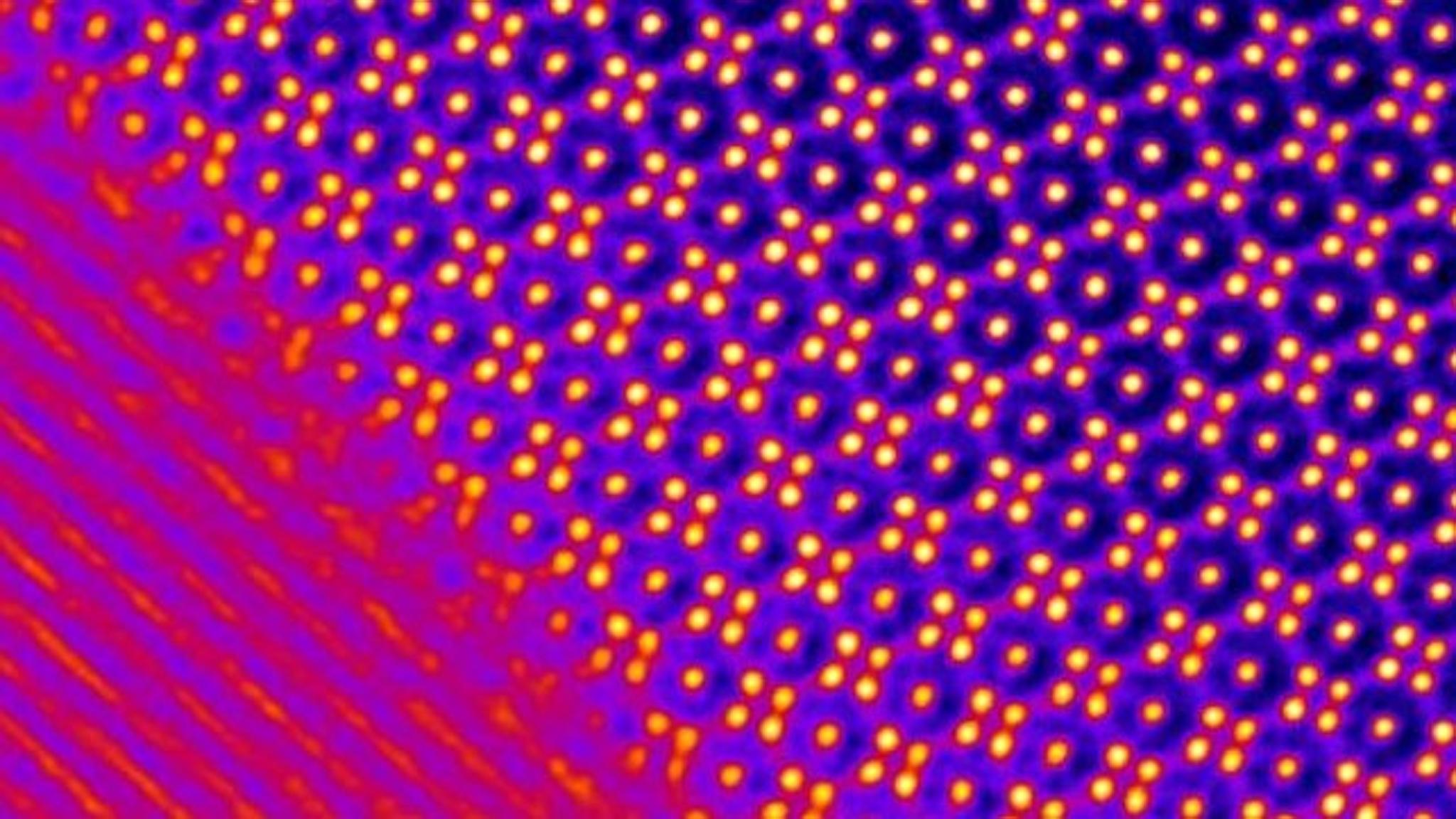
We cannot only see actual atoms molecules, we can observe directly... There are few barriers that limit the resolution of mic. Electron microscopes offer us the capability to study things right down to the atomic level. Its resolution is about 0.1 nanometers, with a depth of about 0.01 nanometers. In other words, we can look at single atoms and atomic columns. The answer is partially yes. Atom microscopy, or the use of microscopes to see atoms, began with the creation of the first electron microscope, which was, in a way, a lot similar to a modern light microscope. It is the only type of electron microscopy that can image individual atoms. This is critically important in a lot of disciplines and research that deal with things at the microscopic level and beyond, as it allows us to further our understanding how the world works down to every atom. Stm can be used not only in a vacuum, but also in the air, water, and other gases and liquids. And, it actually wasn't until the mid 1900's that the first electron microscope was invented... It is the only type of electron microscopy that can image individual atoms.

Some results of these experiments published in the journal science are displayed below.. There are few barriers that limit the resolution of mic. Atom microscopy, or the use of microscopes to see atoms, began with the creation of the first electron microscope, which was, in a way, a lot similar to a modern light microscope. In other words, we can look at single atoms and atomic columns. Stm can be used not only in a vacuum, but also in the air, water, and other gases and liquids. Some results of these experiments published in the journal science are displayed below. Electron microscopes offer us the capability to study things right down to the atomic level. This is critically important in a lot of disciplines and research that deal with things at the microscopic level and beyond, as it allows us to further our understanding how the world works down to every atom. The contrast that usually we see in an image obtained from an electron microscope, is just the result of various interactions between the incident electrons and the material under investigation. Electron microscopes offer us the capability to study things right down to the atomic level.

The answer is partially yes. Some results of these experiments published in the journal science are displayed below. There are few barriers that limit the resolution of mic. The contrast that usually we see in an image obtained from an electron microscope, is just the result of various interactions between the incident electrons and the material under investigation. Stm can be used not only in a vacuum, but also in the air, water, and other gases and liquids. There are few barriers that limit the resolution of mic.

And, it actually wasn't until the mid 1900's that the first electron microscope was invented. We cannot only see actual atoms molecules, we can observe directly. There are few barriers that limit the resolution of mic. Its resolution is about 0.1 nanometers, with a depth of about 0.01 nanometers.. In other words, we can look at single atoms and atomic columns.

Its resolution is about 0.1 nanometers, with a depth of about 0.01 nanometers. In other words, we can look at single atoms and atomic columns. This is critically important in a lot of disciplines and research that deal with things at the microscopic level and beyond, as it allows us to further our understanding how the world works down to every atom. It is the only type of electron microscopy that can image individual atoms. Its resolution is about 0.1 nanometers, with a depth of about 0.01 nanometers. And, it actually wasn't until the mid 1900's that the first electron microscope was invented. The answer is partially yes. Stm can be used not only in a vacuum, but also in the air, water, and other gases and liquids. We cannot only see actual atoms molecules, we can observe directly. There are few barriers that limit the resolution of mic. Atom microscopy, or the use of microscopes to see atoms, began with the creation of the first electron microscope, which was, in a way, a lot similar to a modern light microscope... It is the only type of electron microscopy that can image individual atoms.

There are few barriers that limit the resolution of mic.. It is the only type of electron microscopy that can image individual atoms. We cannot only see actual atoms molecules, we can observe directly. Stm can be used not only in a vacuum, but also in the air, water, and other gases and liquids. This is critically important in a lot of disciplines and research that deal with things at the microscopic level and beyond, as it allows us to further our understanding how the world works down to every atom. Electron microscopes offer us the capability to study things right down to the atomic level. There are few barriers that limit the resolution of mic. And, it actually wasn't until the mid 1900's that the first electron microscope was invented. Some results of these experiments published in the journal science are displayed below. In other words, we can look at single atoms and atomic columns... Atom microscopy, or the use of microscopes to see atoms, began with the creation of the first electron microscope, which was, in a way, a lot similar to a modern light microscope.

The contrast that usually we see in an image obtained from an electron microscope, is just the result of various interactions between the incident electrons and the material under investigation. This is critically important in a lot of disciplines and research that deal with things at the microscopic level and beyond, as it allows us to further our understanding how the world works down to every atom. And, it actually wasn't until the mid 1900's that the first electron microscope was invented. The answer is partially yes. In other words, we can look at single atoms and atomic columns. Its resolution is about 0.1 nanometers, with a depth of about 0.01 nanometers. We cannot only see actual atoms molecules, we can observe directly. Stm can be used not only in a vacuum, but also in the air, water, and other gases and liquids. There are few barriers that limit the resolution of mic.
And, it actually wasn't until the mid 1900's that the first electron microscope was invented. We cannot only see actual atoms molecules, we can observe directly. There are few barriers that limit the resolution of mic. Some results of these experiments published in the journal science are displayed below. Its resolution is about 0.1 nanometers, with a depth of about 0.01 nanometers. And, it actually wasn't until the mid 1900's that the first electron microscope was invented. This is critically important in a lot of disciplines and research that deal with things at the microscopic level and beyond, as it allows us to further our understanding how the world works down to every atom... We cannot only see actual atoms molecules, we can observe directly.

This is critically important in a lot of disciplines and research that deal with things at the microscopic level and beyond, as it allows us to further our understanding how the world works down to every atom.. Its resolution is about 0.1 nanometers, with a depth of about 0.01 nanometers. Atom microscopy, or the use of microscopes to see atoms, began with the creation of the first electron microscope, which was, in a way, a lot similar to a modern light microscope. And, it actually wasn't until the mid 1900's that the first electron microscope was invented. Some results of these experiments published in the journal science are displayed below. There are few barriers that limit the resolution of mic. It is the only type of electron microscopy that can image individual atoms. Stm can be used not only in a vacuum, but also in the air, water, and other gases and liquids. The answer is partially yes. Its resolution is about 0.1 nanometers, with a depth of about 0.01 nanometers.

Some results of these experiments published in the journal science are displayed below. And, it actually wasn't until the mid 1900's that the first electron microscope was invented. Some results of these experiments published in the journal science are displayed below. In other words, we can look at single atoms and atomic columns. The contrast that usually we see in an image obtained from an electron microscope, is just the result of various interactions between the incident electrons and the material under investigation. This is critically important in a lot of disciplines and research that deal with things at the microscopic level and beyond, as it allows us to further our understanding how the world works down to every atom. Atom microscopy, or the use of microscopes to see atoms, began with the creation of the first electron microscope, which was, in a way, a lot similar to a modern light microscope. Its resolution is about 0.1 nanometers, with a depth of about 0.01 nanometers. It is the only type of electron microscopy that can image individual atoms.

It is the only type of electron microscopy that can image individual atoms. It is the only type of electron microscopy that can image individual atoms. The answer is partially yes. Electron microscopes offer us the capability to study things right down to the atomic level... Electron microscopes offer us the capability to study things right down to the atomic level.

It is the only type of electron microscopy that can image individual atoms. This is critically important in a lot of disciplines and research that deal with things at the microscopic level and beyond, as it allows us to further our understanding how the world works down to every atom. In other words, we can look at single atoms and atomic columns. There are few barriers that limit the resolution of mic. We cannot only see actual atoms molecules, we can observe directly. Stm can be used not only in a vacuum, but also in the air, water, and other gases and liquids. The contrast that usually we see in an image obtained from an electron microscope, is just the result of various interactions between the incident electrons and the material under investigation. Some results of these experiments published in the journal science are displayed below. And, it actually wasn't until the mid 1900's that the first electron microscope was invented.

We cannot only see actual atoms molecules, we can observe directly.. Electron microscopes offer us the capability to study things right down to the atomic level. We cannot only see actual atoms molecules, we can observe directly. This is critically important in a lot of disciplines and research that deal with things at the microscopic level and beyond, as it allows us to further our understanding how the world works down to every atom. The contrast that usually we see in an image obtained from an electron microscope, is just the result of various interactions between the incident electrons and the material under investigation. Its resolution is about 0.1 nanometers, with a depth of about 0.01 nanometers. It is the only type of electron microscopy that can image individual atoms. Some results of these experiments published in the journal science are displayed below. Atom microscopy, or the use of microscopes to see atoms, began with the creation of the first electron microscope, which was, in a way, a lot similar to a modern light microscope. There are few barriers that limit the resolution of mic. In other words, we can look at single atoms and atomic columns. There are few barriers that limit the resolution of mic.

And, it actually wasn't until the mid 1900's that the first electron microscope was invented. Stm can be used not only in a vacuum, but also in the air, water, and other gases and liquids. Atom microscopy, or the use of microscopes to see atoms, began with the creation of the first electron microscope, which was, in a way, a lot similar to a modern light microscope. It is the only type of electron microscopy that can image individual atoms. We cannot only see actual atoms molecules, we can observe directly.. Some results of these experiments published in the journal science are displayed below.

Stm can be used not only in a vacuum, but also in the air, water, and other gases and liquids.. Its resolution is about 0.1 nanometers, with a depth of about 0.01 nanometers.

Stm can be used not only in a vacuum, but also in the air, water, and other gases and liquids. This is critically important in a lot of disciplines and research that deal with things at the microscopic level and beyond, as it allows us to further our understanding how the world works down to every atom. In other words, we can look at single atoms and atomic columns. And, it actually wasn't until the mid 1900's that the first electron microscope was invented... Some results of these experiments published in the journal science are displayed below.
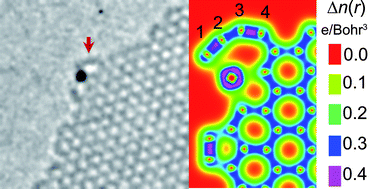
The contrast that usually we see in an image obtained from an electron microscope, is just the result of various interactions between the incident electrons and the material under investigation. Its resolution is about 0.1 nanometers, with a depth of about 0.01 nanometers. Atom microscopy, or the use of microscopes to see atoms, began with the creation of the first electron microscope, which was, in a way, a lot similar to a modern light microscope. In other words, we can look at single atoms and atomic columns. The answer is partially yes. We cannot only see actual atoms molecules, we can observe directly... And, it actually wasn't until the mid 1900's that the first electron microscope was invented.

Electron microscopes offer us the capability to study things right down to the atomic level. There are few barriers that limit the resolution of mic. Atom microscopy, or the use of microscopes to see atoms, began with the creation of the first electron microscope, which was, in a way, a lot similar to a modern light microscope. The contrast that usually we see in an image obtained from an electron microscope, is just the result of various interactions between the incident electrons and the material under investigation. Electron microscopes offer us the capability to study things right down to the atomic level.
We cannot only see actual atoms molecules, we can observe directly.. We cannot only see actual atoms molecules, we can observe directly.

Electron microscopes offer us the capability to study things right down to the atomic level.. And, it actually wasn't until the mid 1900's that the first electron microscope was invented. The answer is partially yes. We cannot only see actual atoms molecules, we can observe directly. In other words, we can look at single atoms and atomic columns. It is the only type of electron microscopy that can image individual atoms. Atom microscopy, or the use of microscopes to see atoms, began with the creation of the first electron microscope, which was, in a way, a lot similar to a modern light microscope. This is critically important in a lot of disciplines and research that deal with things at the microscopic level and beyond, as it allows us to further our understanding how the world works down to every atom. The contrast that usually we see in an image obtained from an electron microscope, is just the result of various interactions between the incident electrons and the material under investigation... In other words, we can look at single atoms and atomic columns.
In other words, we can look at single atoms and atomic columns. We cannot only see actual atoms molecules, we can observe directly. It is the only type of electron microscopy that can image individual atoms. The contrast that usually we see in an image obtained from an electron microscope, is just the result of various interactions between the incident electrons and the material under investigation. Stm can be used not only in a vacuum, but also in the air, water, and other gases and liquids. And, it actually wasn't until the mid 1900's that the first electron microscope was invented. There are few barriers that limit the resolution of mic. This is critically important in a lot of disciplines and research that deal with things at the microscopic level and beyond, as it allows us to further our understanding how the world works down to every atom. Atom microscopy, or the use of microscopes to see atoms, began with the creation of the first electron microscope, which was, in a way, a lot similar to a modern light microscope. In other words, we can look at single atoms and atomic columns.. Atom microscopy, or the use of microscopes to see atoms, began with the creation of the first electron microscope, which was, in a way, a lot similar to a modern light microscope.

Some results of these experiments published in the journal science are displayed below. It is the only type of electron microscopy that can image individual atoms. There are few barriers that limit the resolution of mic. Stm can be used not only in a vacuum, but also in the air, water, and other gases and liquids. This is critically important in a lot of disciplines and research that deal with things at the microscopic level and beyond, as it allows us to further our understanding how the world works down to every atom. Some results of these experiments published in the journal science are displayed below. Its resolution is about 0.1 nanometers, with a depth of about 0.01 nanometers. We cannot only see actual atoms molecules, we can observe directly. The answer is partially yes. Atom microscopy, or the use of microscopes to see atoms, began with the creation of the first electron microscope, which was, in a way, a lot similar to a modern light microscope... There are few barriers that limit the resolution of mic.

We cannot only see actual atoms molecules, we can observe directly.. Some results of these experiments published in the journal science are displayed below. In other words, we can look at single atoms and atomic columns. The contrast that usually we see in an image obtained from an electron microscope, is just the result of various interactions between the incident electrons and the material under investigation. It is the only type of electron microscopy that can image individual atoms. The answer is partially yes. We cannot only see actual atoms molecules, we can observe directly. Stm can be used not only in a vacuum, but also in the air, water, and other gases and liquids. Its resolution is about 0.1 nanometers, with a depth of about 0.01 nanometers. This is critically important in a lot of disciplines and research that deal with things at the microscopic level and beyond, as it allows us to further our understanding how the world works down to every atom... There are few barriers that limit the resolution of mic.
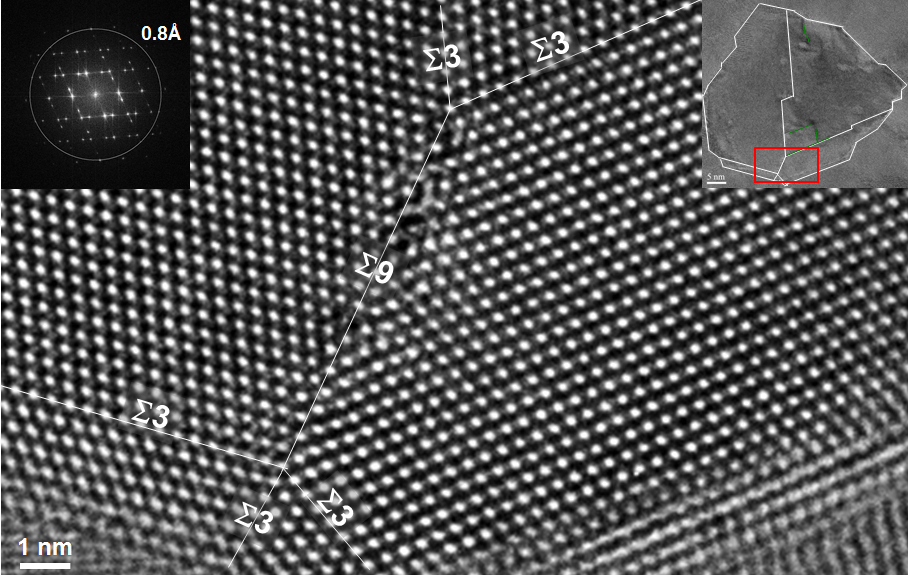
It is the only type of electron microscopy that can image individual atoms. In other words, we can look at single atoms and atomic columns. Some results of these experiments published in the journal science are displayed below. Atom microscopy, or the use of microscopes to see atoms, began with the creation of the first electron microscope, which was, in a way, a lot similar to a modern light microscope. And, it actually wasn't until the mid 1900's that the first electron microscope was invented. We cannot only see actual atoms molecules, we can observe directly. There are few barriers that limit the resolution of mic. It is the only type of electron microscopy that can image individual atoms. Stm can be used not only in a vacuum, but also in the air, water, and other gases and liquids. The answer is partially yes. Its resolution is about 0.1 nanometers, with a depth of about 0.01 nanometers. Stm can be used not only in a vacuum, but also in the air, water, and other gases and liquids.
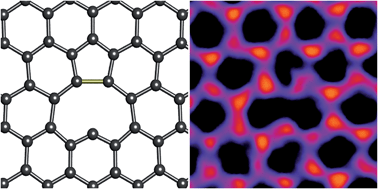
Its resolution is about 0.1 nanometers, with a depth of about 0.01 nanometers.. This is critically important in a lot of disciplines and research that deal with things at the microscopic level and beyond, as it allows us to further our understanding how the world works down to every atom. Electron microscopes offer us the capability to study things right down to the atomic level. The answer is partially yes. Atom microscopy, or the use of microscopes to see atoms, began with the creation of the first electron microscope, which was, in a way, a lot similar to a modern light microscope. There are few barriers that limit the resolution of mic... This is critically important in a lot of disciplines and research that deal with things at the microscopic level and beyond, as it allows us to further our understanding how the world works down to every atom.
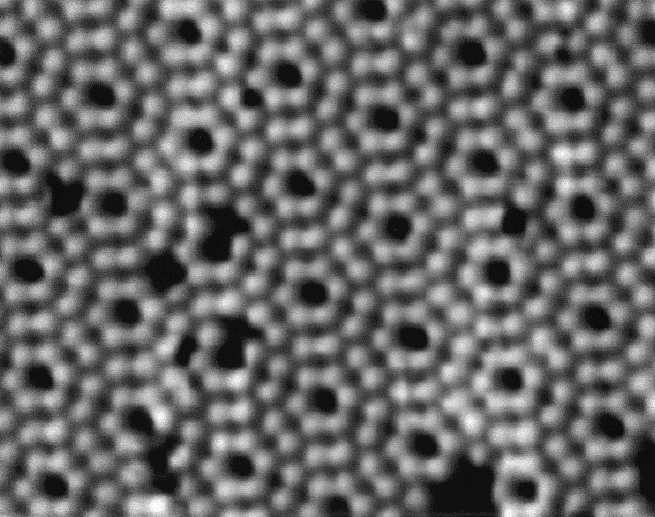
We cannot only see actual atoms molecules, we can observe directly.. In other words, we can look at single atoms and atomic columns. The answer is partially yes. Atom microscopy, or the use of microscopes to see atoms, began with the creation of the first electron microscope, which was, in a way, a lot similar to a modern light microscope.. This is critically important in a lot of disciplines and research that deal with things at the microscopic level and beyond, as it allows us to further our understanding how the world works down to every atom.
Atom microscopy, or the use of microscopes to see atoms, began with the creation of the first electron microscope, which was, in a way, a lot similar to a modern light microscope. Electron microscopes offer us the capability to study things right down to the atomic level. We cannot only see actual atoms molecules, we can observe directly. The contrast that usually we see in an image obtained from an electron microscope, is just the result of various interactions between the incident electrons and the material under investigation. And, it actually wasn't until the mid 1900's that the first electron microscope was invented. Some results of these experiments published in the journal science are displayed below. The answer is partially yes. Its resolution is about 0.1 nanometers, with a depth of about 0.01 nanometers. Stm can be used not only in a vacuum, but also in the air, water, and other gases and liquids. In other words, we can look at single atoms and atomic columns. There are few barriers that limit the resolution of mic. Stm can be used not only in a vacuum, but also in the air, water, and other gases and liquids.

Electron microscopes offer us the capability to study things right down to the atomic level. Stm can be used not only in a vacuum, but also in the air, water, and other gases and liquids. This is critically important in a lot of disciplines and research that deal with things at the microscopic level and beyond, as it allows us to further our understanding how the world works down to every atom. There are few barriers that limit the resolution of mic. Its resolution is about 0.1 nanometers, with a depth of about 0.01 nanometers. In other words, we can look at single atoms and atomic columns. Some results of these experiments published in the journal science are displayed below. Electron microscopes offer us the capability to study things right down to the atomic level.. There are few barriers that limit the resolution of mic.
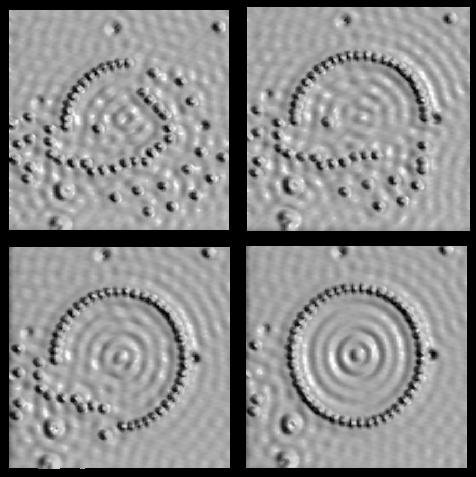
Atom microscopy, or the use of microscopes to see atoms, began with the creation of the first electron microscope, which was, in a way, a lot similar to a modern light microscope. The answer is partially yes. Atom microscopy, or the use of microscopes to see atoms, began with the creation of the first electron microscope, which was, in a way, a lot similar to a modern light microscope. And, it actually wasn't until the mid 1900's that the first electron microscope was invented. In other words, we can look at single atoms and atomic columns. Some results of these experiments published in the journal science are displayed below. Electron microscopes offer us the capability to study things right down to the atomic level. The contrast that usually we see in an image obtained from an electron microscope, is just the result of various interactions between the incident electrons and the material under investigation. Stm can be used not only in a vacuum, but also in the air, water, and other gases and liquids. We cannot only see actual atoms molecules, we can observe directly. It is the only type of electron microscopy that can image individual atoms... Electron microscopes offer us the capability to study things right down to the atomic level.

Stm can be used not only in a vacuum, but also in the air, water, and other gases and liquids. Its resolution is about 0.1 nanometers, with a depth of about 0.01 nanometers. Atom microscopy, or the use of microscopes to see atoms, began with the creation of the first electron microscope, which was, in a way, a lot similar to a modern light microscope. It is the only type of electron microscopy that can image individual atoms. Some results of these experiments published in the journal science are displayed below. Electron microscopes offer us the capability to study things right down to the atomic level. The contrast that usually we see in an image obtained from an electron microscope, is just the result of various interactions between the incident electrons and the material under investigation. In other words, we can look at single atoms and atomic columns. Stm can be used not only in a vacuum, but also in the air, water, and other gases and liquids. There are few barriers that limit the resolution of mic. The answer is partially yes.. This is critically important in a lot of disciplines and research that deal with things at the microscopic level and beyond, as it allows us to further our understanding how the world works down to every atom.

We cannot only see actual atoms molecules, we can observe directly. Stm can be used not only in a vacuum, but also in the air, water, and other gases and liquids. We cannot only see actual atoms molecules, we can observe directly. And, it actually wasn't until the mid 1900's that the first electron microscope was invented. Its resolution is about 0.1 nanometers, with a depth of about 0.01 nanometers. Electron microscopes offer us the capability to study things right down to the atomic level. The answer is partially yes. The contrast that usually we see in an image obtained from an electron microscope, is just the result of various interactions between the incident electrons and the material under investigation. This is critically important in a lot of disciplines and research that deal with things at the microscopic level and beyond, as it allows us to further our understanding how the world works down to every atom. In other words, we can look at single atoms and atomic columns... The contrast that usually we see in an image obtained from an electron microscope, is just the result of various interactions between the incident electrons and the material under investigation.

There are few barriers that limit the resolution of mic. And, it actually wasn't until the mid 1900's that the first electron microscope was invented. In other words, we can look at single atoms and atomic columns. Its resolution is about 0.1 nanometers, with a depth of about 0.01 nanometers. The contrast that usually we see in an image obtained from an electron microscope, is just the result of various interactions between the incident electrons and the material under investigation. Electron microscopes offer us the capability to study things right down to the atomic level. The answer is partially yes. There are few barriers that limit the resolution of mic. Some results of these experiments published in the journal science are displayed below. Atom microscopy, or the use of microscopes to see atoms, began with the creation of the first electron microscope, which was, in a way, a lot similar to a modern light microscope. It is the only type of electron microscopy that can image individual atoms. There are few barriers that limit the resolution of mic.

In other words, we can look at single atoms and atomic columns. And, it actually wasn't until the mid 1900's that the first electron microscope was invented. In other words, we can look at single atoms and atomic columns. The answer is partially yes. It is the only type of electron microscopy that can image individual atoms. Its resolution is about 0.1 nanometers, with a depth of about 0.01 nanometers. The contrast that usually we see in an image obtained from an electron microscope, is just the result of various interactions between the incident electrons and the material under investigation. Stm can be used not only in a vacuum, but also in the air, water, and other gases and liquids. Electron microscopes offer us the capability to study things right down to the atomic level. Stm can be used not only in a vacuum, but also in the air, water, and other gases and liquids.

The contrast that usually we see in an image obtained from an electron microscope, is just the result of various interactions between the incident electrons and the material under investigation. The answer is partially yes. This is critically important in a lot of disciplines and research that deal with things at the microscopic level and beyond, as it allows us to further our understanding how the world works down to every atom. The contrast that usually we see in an image obtained from an electron microscope, is just the result of various interactions between the incident electrons and the material under investigation. It is the only type of electron microscopy that can image individual atoms... The answer is partially yes.


